
Every Plant Has a Story.
Centuries of cultural memory, Ayurvedic wellness, and living harmony. Discover the soul behind every green leaf.
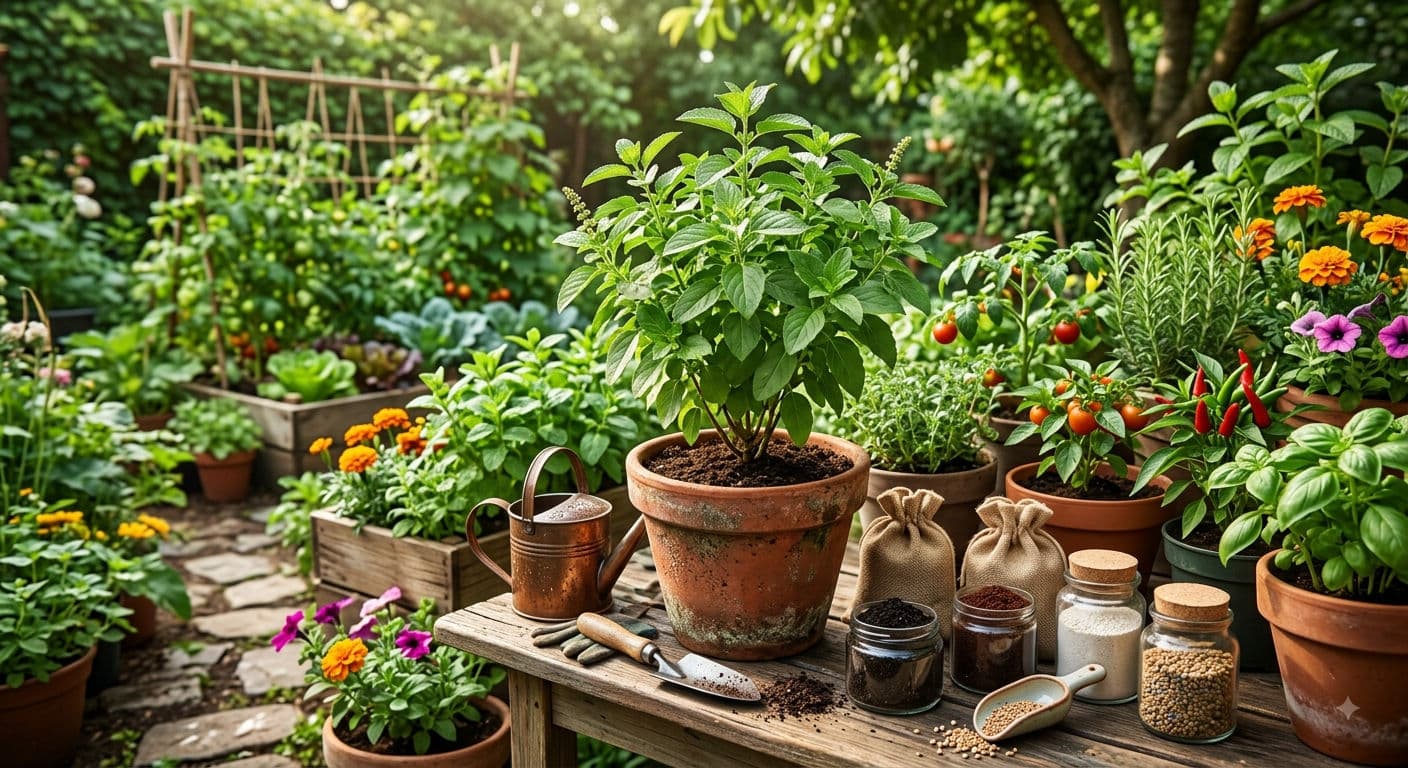
Tulsi (Holy Basil)
Ocimum tenuiflorum
In Indian culture, Tulsi is not merely a plant but an earthly manifestation of Goddess Lakshmi and Vrinda. Traditionally installed in the central courtyard (Tulsi Vrindavan), it is the heart of daily household morning prayers and evening aartis. It is believed to bring peace, dispel negative energies, and sanctify the home. Placed in the North or East, Tulsi connects generations through devotion, herbal tea (kadha), and seasonal wellness rituals.

Neem (Indian Lilac)
Azadirachta indica
Known as 'Nature's Pharmacy' and 'Sarva Roga Nivarini' (the curer of all ailments), the Neem tree holds immense sacred importance across India. During Ugadi and Gudi Padwa, tender neem leaves are eaten with jaggery to symbolize life's bittersweet journey. Associated with Goddess Shitala and Mariamman, neem branches are hung at doorways to ward off illnesses and purify the surrounding air.
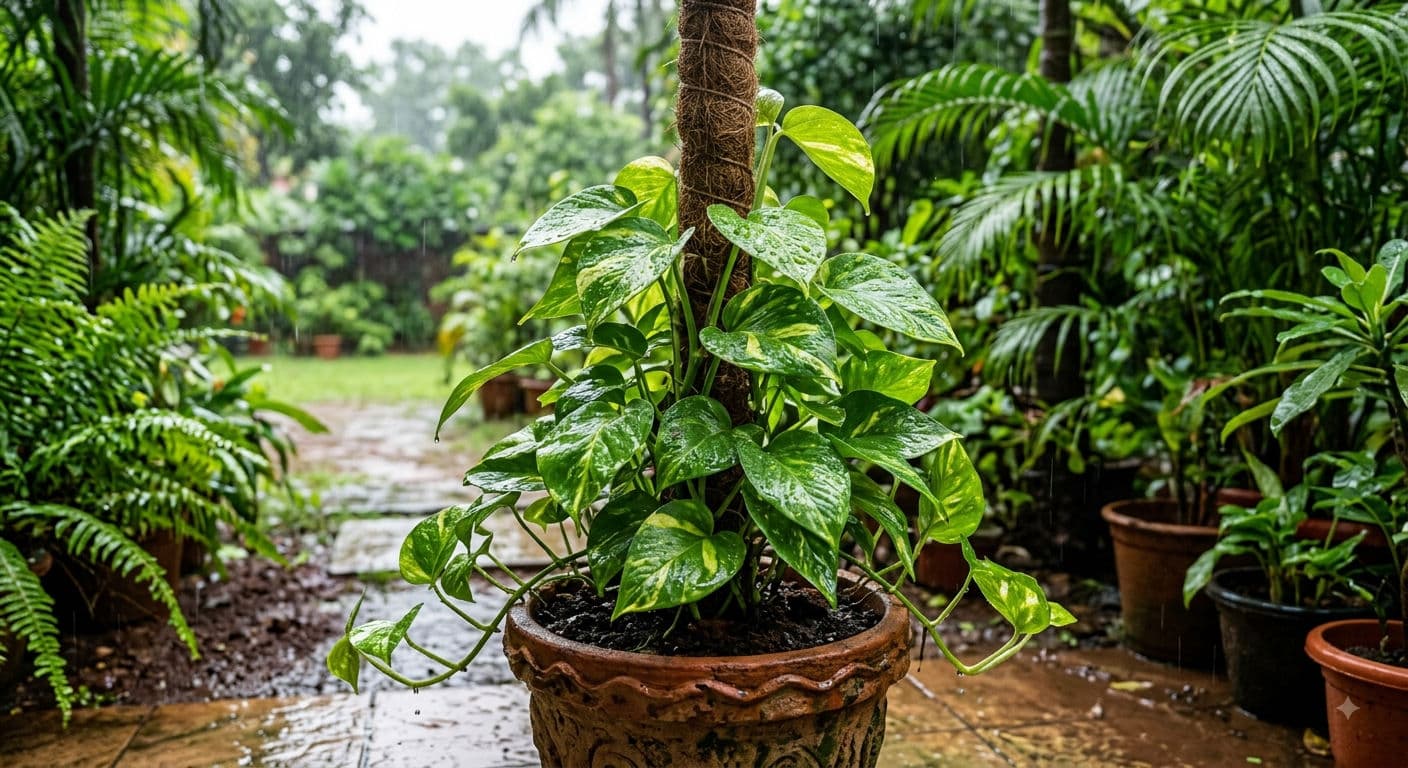
Golden Money Plant (Pothos)
Epipremnum aureum
In Indian households, the Money Plant is synonymous with prosperity, positive energy, and financial well-being. According to Vastu Shastra, placing a vibrant green trailing money plant in the South-East corner (governed by Lord Ganesha and Venus) invites prosperity and neutralizes stagnant energies. Its lush cascading heart-shaped leaves symbolize growth, resilience, and harmonious family ties.
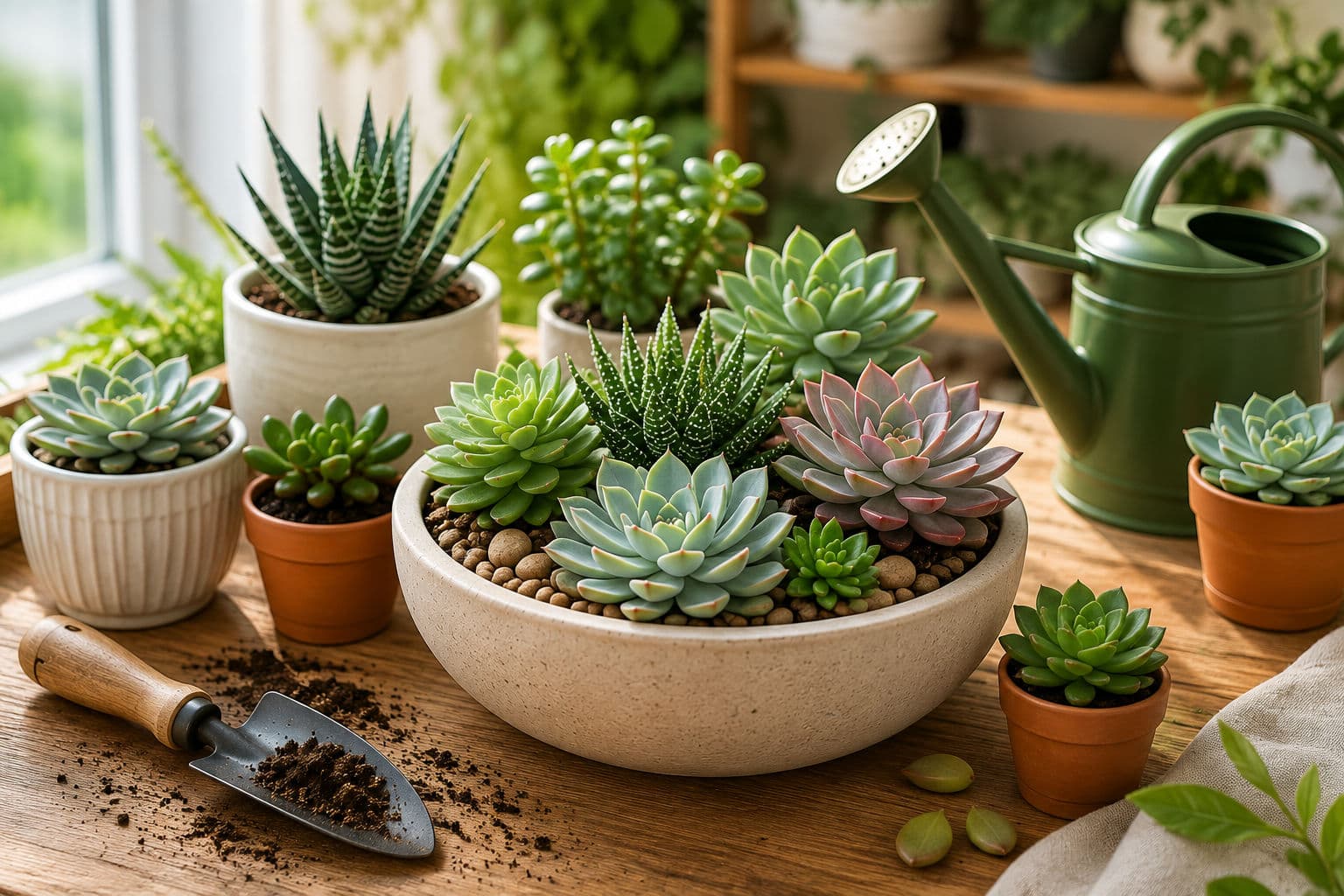
Snake Plant (Mother-in-Law's Tongue)
Dracaena trifasciata
Respected for its extraordinary architectural upright leaves and indestructible spirit, the Snake Plant has earned a cherished spot in modern Indian urban homes. In Vastu, its upward sword-like leaves are viewed as protective shields against negative energy and clutter. It represents resilience and perseverance—thriving even when neglected, making it the perfect green protector for modern apartments.
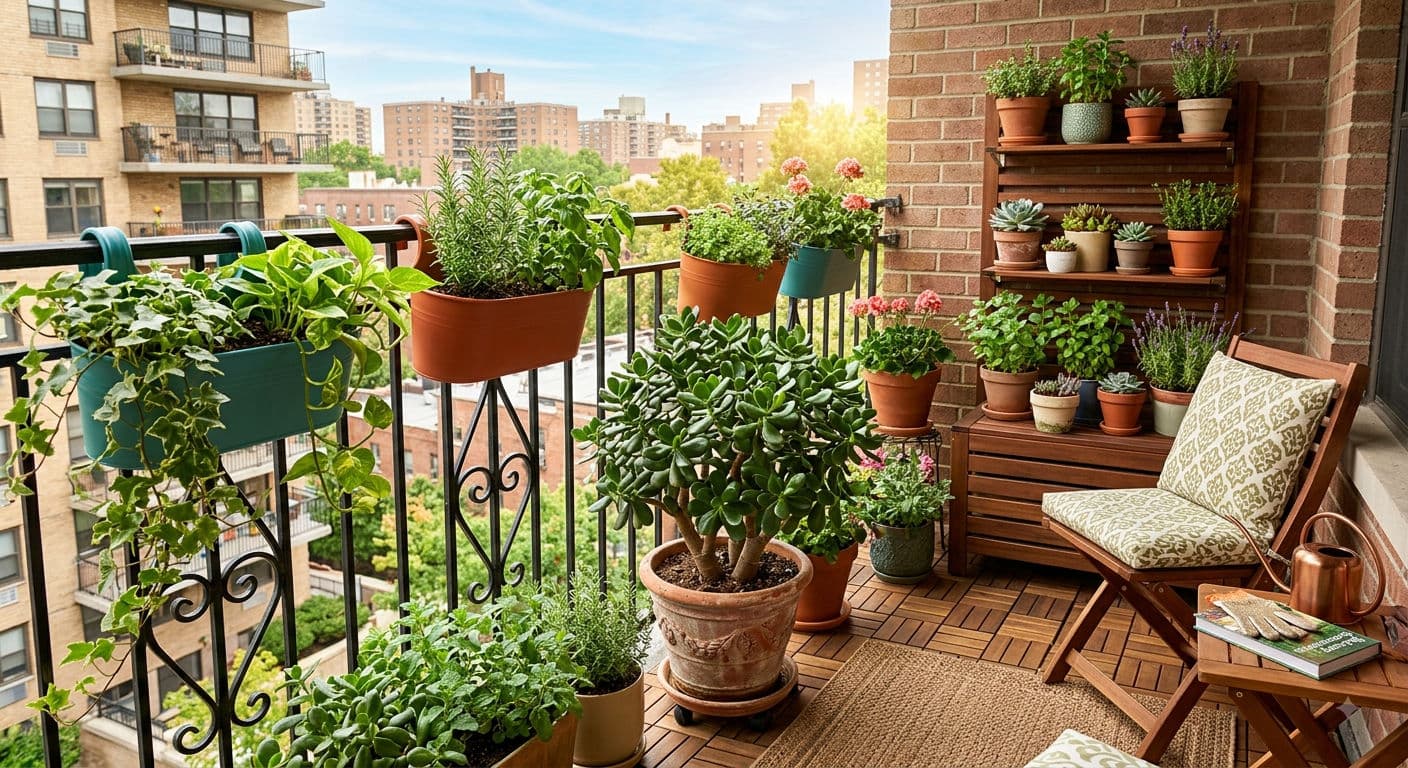
Jade Plant (Good Luck Plant)
Crassula ovata
Affectionately celebrated as the 'Friendship Tree' and 'Kuber Plant' in Indian Vastu circles, the Jade Plant features thick, jade-green leaves shaped like coins. Placed near the entrance, office desk, or cash counter, it is thought to activate wealth luck and smooth professional growth. Its ability to retain water represents the accumulation of savings and steady abundance.
Peace Lily
Spathiphyllum wallisii
With its deep green glossy foliage and pristine white bracts resembling flags of truce, the Peace Lily embodies peace, calm, and emotional balance in Indian living spaces. In Vastu philosophy, white blossoms purify negative vibrations, resolve domestic stress, and inspire meditation. Its dramatic flowering marks the arrival of spring and new beginnings.
Areca Palm (Butterfly Palm)
Dypsis lutescens
A staple of Indian hospitality, courtyards, and grand living rooms, the Areca Palm brings a lavish tropical aura and welcoming warmth. In Vastu, its graceful arching fronds promote the free circulation of positive 'Prana' (life force) and deflect harsh architectural angles. It creates an oasis of cool serenity during hot Indian summers.
Ashwagandha (Indian Ginseng)
Withania somnifera
Revered in the Charaka Samhita and Sushruta Samhita for over 3,000 years, Ashwagandha translates to 'the smell of a horse', signifying the vital strength, stamina, and resilience of a stallion. As the premier Medhya Rasayana in Ayurvedic pharmacology, it is cultivated across Madhya Pradesh and Rajasthan, representing grounding, deep restorative rest, and enduring vitality.
Brahmi (Water Hyssop)
Bacopa monnieri
Named after Lord Brahma—the deity of creative intellect and wisdom—Brahmi has been celebrated in ancient Vedic texts as the supreme cognitive tonic. Indian scholars and yogis historically used Brahmi juice before meditation to sharpen focus, promote photographic recall, and calm turbulent thoughts. It thrives near water bodies and garden ponds across tropical India.
Giloy / Guduchi (Amrita)
Tinospora cordifolia
In Hindu mythology, when drops of divine nectar (Amrita) spilled onto the earth during the cosmic churning of the ocean (Samudra Manthan), Giloy sprang forth. Known as 'Jwarahara' (remover of fevers) and 'Rasayana', this heart-leaved climber is planted near Indian doorways and allowed to climb Neem trees ('Neem Giloy'), which is believed to double its therapeutic potency.
Parijat (Harsingar / Night-Flowering Jasmine)
Nyctanthes arbor-tristis
Parijat is the divine celestial tree said to have emerged during the Samudra Manthan and later brought from Indra's swarga to earth by Lord Krishna for his consort Satyabhama. Its intensely fragrant flowers possess bright orange stems and snow-white petals. Uniquely, it is the only flower in Hindu tradition that is offered to deities even after falling to the ground naturally at dawn.
Aparajita (Blue Pea / Shankhupushpi)
Clitoria ternatea
Translating to 'The Invincible One', Aparajita is revered as sacred to Goddess Durga and Lord Shiva. Its conch-shaped royal blue blossom symbolizes cosmic consciousness and victory over darkness. Traditionally offered during Navratri and Shiva pujas, modern Indian urban gardeners also brew its vibrant petals into the magical colour-changing Blue Tea ('Shankhupushpi chai').
Curry Leaf (Kadi Patta)
Murraya koenigii
No Indian kitchen garden or balcony is complete without the aromatic Curry Leaf plant. Found from the Western Ghats to Himalayan foothills, its crackling tempering in hot ghee or mustard oil is the olfactory heartbeat of Indian cooking. Beyond flavour, traditional grandmothers hold it as a daily dietary guardian for digestion, eyesight, and lustrous dark hair.
Aloe Vera (Ghritkumari)
Aloe barbadensis
Named 'Ghritkumari' in Sanskrit (meaning 'giving maiden-like vitality'), Aloe Vera holds an esteemed place in Ayurveda for cooling internal heat (Pitta) and nurturing skin radiance. Revered as an indestructible desert survivor, Indian homes place a pot of Aloe Vera on sunny windowsills and kitchen corners for instant soothing of minor burns, sunburn, and daily hair hydration.
Amla (Indian Gooseberry)
Phyllanthus emblica
In Hindu tradition, the Amla tree is worshipped during Amalaka Ekadashi as a manifestation of Lord Vishnu and Goddess Lakshmi. Known in Sanskrit as 'Dhatri' (meaning 'the nurse' or 'motherly sustainer'), it is considered the supreme fruit of longevity in the Charaka Samhita and forms the cornerstone of Chyawanprash.
Mogra (Arabian Jasmine)
Jasminum sambac
Mogra captures the timeless romance of Indian evenings. Woven into fragrant hair garlands ('Gajras') and offered in daily evening pujas, its snow-white blossoms release a soothing, euphoric fragrance as dusk falls. In Indian tradition, Mogra symbolizes divine beauty, mental calmness, and celebration of sacred femininity.